
Why I think less might be more in the art world
The contemporary art world is evolving rapidly. More gallery exhibitions, more artists, more art fairs. But in a system built on speed and volume, what gets lost is depth, reflection, and meaning.
In this opinion piece, artist and publisher Bastiaan Woudt explores the limits of the traditional gallery model and advocates for a slower, more intentional approach to artist representation, collector engagement, and creative sustainability.
This is a call for a different rhythm in contemporary art. One that values long-term collaboration over constant visibility, and depth over scale.

Creating Without Limits
The days of carrying heavy camera gear and stacks of notebooks to create work while traveling are behind us. Technology has transformed the way we create. In the past I relied on specific locations and complex equipment, but now I can produce, edit, and share images from almost anywhere in the world. The ability to work on my art has become easier, but the creative process itself remains just as demanding.
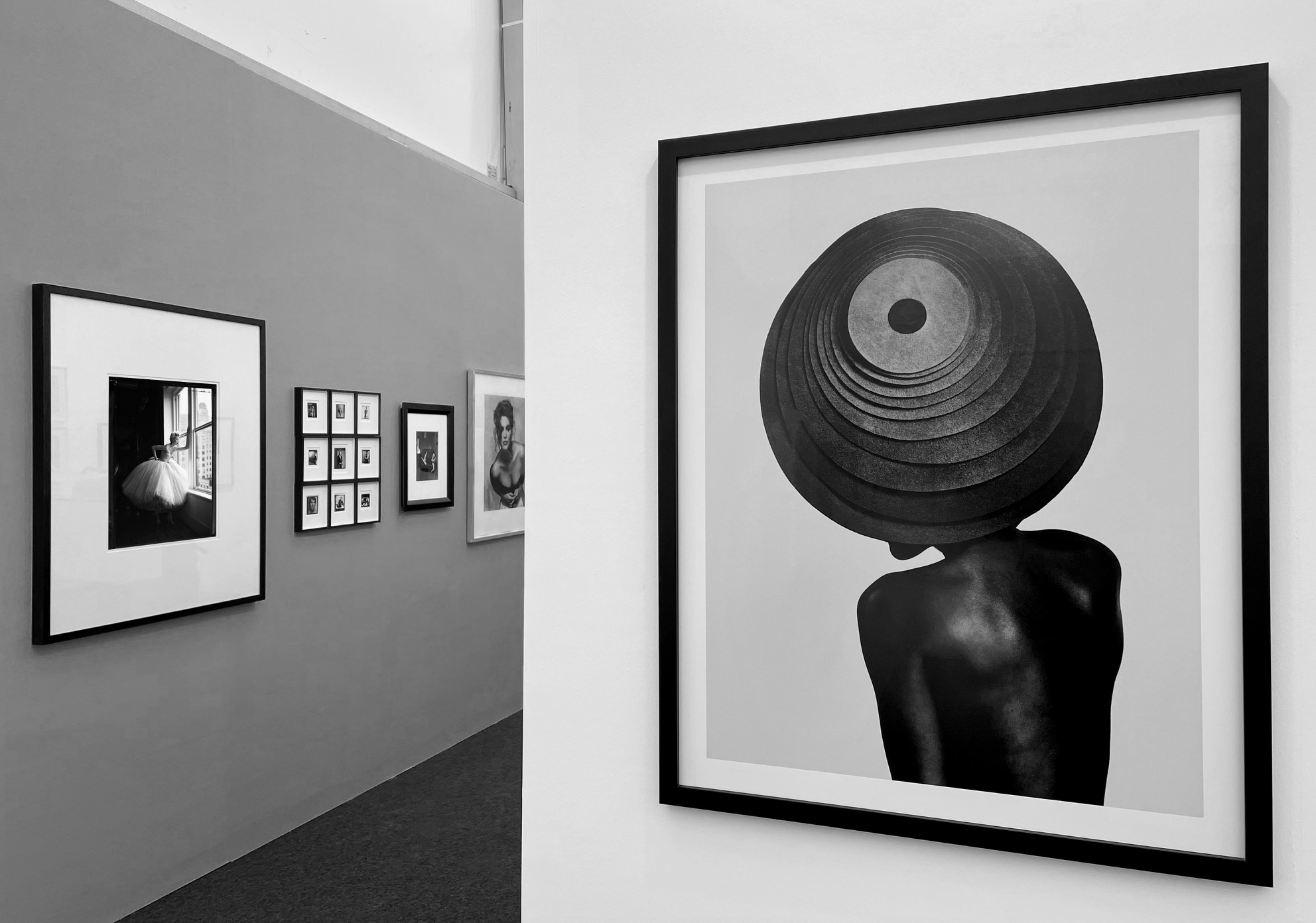
Photo London, 2024 with Atlas Gallery
This year my work was shown at Photo London together with Atlas Gallery. Thank you al for the kind response!
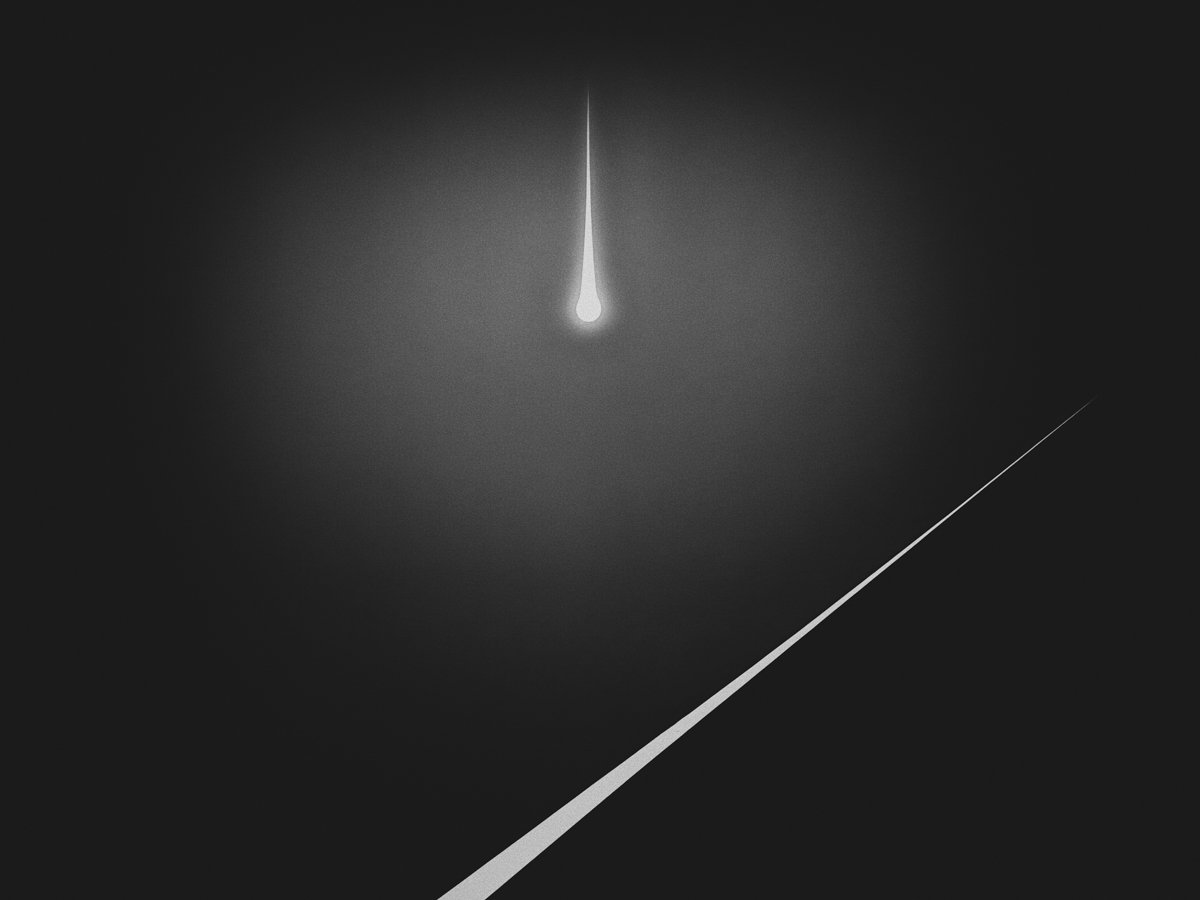
The influence of psychedelics on art and creativity: A personal exploration
Dive into my journey exploring the profound impact of psychedelics on art and creativity. Discover how these substances have enabled me to delve into the depths of the subconscious and make the invisible visible, through personal experiences and historical examples.
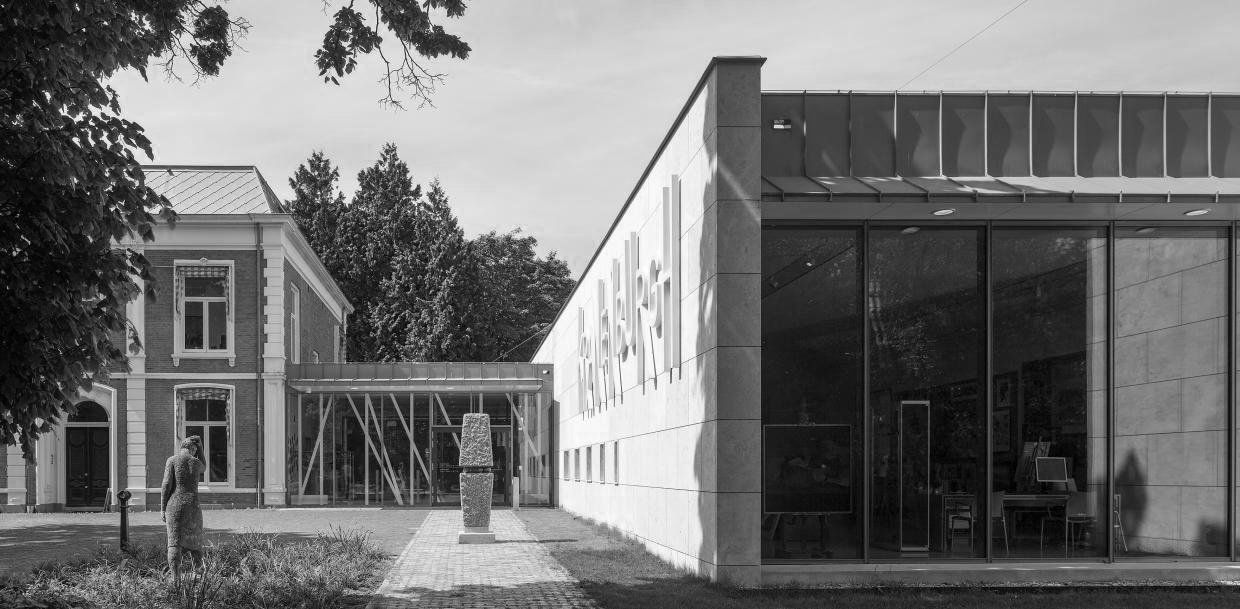



The Eye of Photography on "Peak"
Bildhalle presents “Peak”, Bastiaan Woudt’s latest series. Recently, the NZZ magazine devoted an eight-page portfolio to the artist, writing as follows: “Nepal, home of the highest mountains, is known for its mythic cold. A photographer from the flat Netherlands is impressed. For nearly a month, Bastiaan Woudt, considered one of the most talented contemporary photographers by one of the world’s most renowned photography magazines, travelled to Nepal in the Himalayas. In the area around Annapurna, he climbed to nearly 6000 metres. The resulting photographs, now published in book form, picture not only the cold beauty of this mystical land of snow but also the culture brought forth by exceptional climatic conditions.”


